
 Timing 24 x 7





Latest Blog
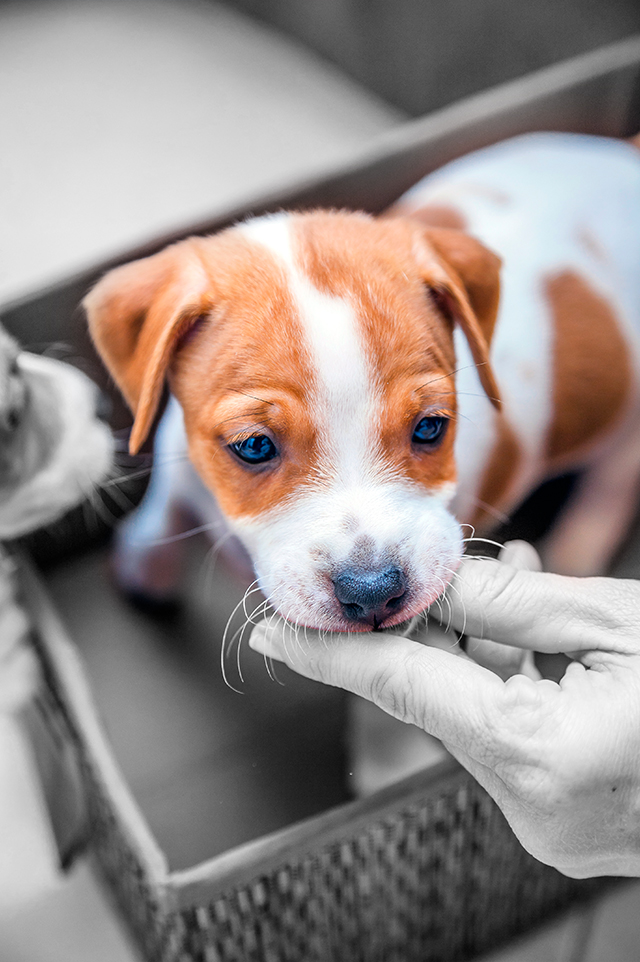
Bringing Home Your First Pet: Everything Nobody Told You (But Every New Pet Parent Needs to Know)
You’ve done it. You’ve picked the name, bought the bed, and maybe stress-ordered three types of food bowls at midnight. Now there’s a small, warm, slightly bewildered creature in your home, looking up at you like you have all the answers.
Here’s a secret: most new pet parents don’t and that’s completely okay.
Whether you’ve adopted a puppy bounding off the walls, a kitten who found the one spot you can’t reach, or a quiet senior dog grateful just to have a couch to sleep on, the first weeks of pet parenthood are full of joy, second-guessing, and many questions your Google search history would be embarrassed to show.
This guide is for you. Not the polished brochure version of pet ownership but the real one. The one where we talk about what happens, what matters, and what you should do first.
The “Adjustment Period” is Real – For Both of You
One of the biggest things nobody prepares new pet parents for is the adjustment period. You imagine your new dog loving you immediately. You imagine your cat curling up in your lap by day two. It happens. Often, it doesn’t, and that doesn’t mean anything went wrong.
Nyela, a first-time dog mom from Hyderabad, adopted a two-year-old indie named Rio. She said, “I cried on day three. He wouldn’t eat, kept hiding behind the sofa, and I thought I’d made a mistake. My neighbour told me to give it three weeks. By week two, Bruno followed me everywhere. Now I can’t get rid of him and I don’t want to.”
What Nyela experienced is called the “3-3-3 rule,” a widely recognised guideline in animal behaviour: 3 days to decompress, 3 weeks to learn the routine, and 3 months to feel truly at home. It applies especially to dogs, but also to cats.
What this means practically:
- Don’t flood a new pet with visitors, noise, or stimulation in the first week
- Keep routines consistent – feeding, walks and sleep at the same times each day
- Let them come to you; avoid forcing affection
- If they’re not eating much in the first 48-72 hours, don’t panic. Watch, note, and consult your vet if it lasts longer.
The First Vet Visit: Earlier Than You Think
Here’s what most new pet parents do: they wait. The pet seems fine, there are no obvious problems, and the vet visit feels like something to do “soon”.
Don’t wait.
A first wellness check within the first week of bringing your pet home is one of the important things you can do as a new pet parent, not just for vaccinations but to establish a baseline.
From a clinical perspective, the first visit allows us to:
- Establish your pet’s baseline weight, temperature, and vitals
- Screen for parasites (internal and external) that may not be visible
- Catch congenital or breed-specific conditions early – many of which are far more manageable when addressed young.
- Review vaccination status and plan the schedule appropriate for your region and lifestyle
- Have a frank conversation about nutrition, which is one of the most confusing areas for new pet owners.
According to the American Veterinary Medical Association (AVMA), pets who receive consistent veterinary care from puppyhood or kittenhood live significantly longer. Studies suggest dogs with regular vet care live up to 3 years longer on average than those without. For cats, routine check-ups are linked to earlier detection of kidney disease, hyperthyroidism, and dental disease, all common causes of preventable decline.
The first visit is also your chance to ask the questions you’ve been embarrassed to Google. There are no silly questions in that room. We hear everything, and we’re glad you asked.
Nutrition: The Most Confusing Aisle in the Pet Store
Walk into any pet store and you’re immediately confronted by an overwhelming wall of options: grain-free, raw, cold-pressed, breed-specific, age-appropriate, senior formula, all-life-stages, limited ingredients.
It’s a lot.
For first-time pet owners, focus on the life stage. Puppies and kittens need food with the right nutrients for growth. Check for AAFCO or equivalent standards. Adult food for puppies can lack important minerals.
Consistency is key. Avoid frequent changes in food and transition slowly over 7-10 days if needed. Switching foods too often can cause digestive upset. Once you find a quality option your vet approves, stick to it.
Fresh water is essential. Cats often drink too little, increasing the risk for kidney issues. Many prefer moving water: try a fountain bowl.
Treats add calories quickly and don’t replace nutrition. Limit treats to under 10% of daily intake, especially in the first year.
We see many nutrition-related issues in young pets. A brief discussion with your vet about diet at the first visit can help prevent long-term problems.
Vaccines, Deworming, and the Schedule You’ll Actually Need
New pet parents often arrive with a puppy or kitten vaccination card that’s partially done or completely blank. Here’s a simplified breakdown of what to expect:
Puppies typically need:
- Core vaccines: Distemper, Parvovirus, Hepatitis, Rabies
- Deworming starting from 2-3 weeks of age, repeated at intervals until 12 weeks, then quarterly
- Flea and tick prevention, especially critical in India, where tick-borne diseases are prevalent
Kittens typically need:
- Core vaccines: Feline Panleukopenia, Herpesvirus, Calicivirus (FVRCP), Rabies
- Deworming and flea control from early weeks
- FeLV (Feline Leukaemia) vaccine, depending on whether they’ll go outdoors
Adult rescue pets may have incomplete records. Your vet can assess what’s been done, run titre tests if needed, and create an updated schedule.
One thing that surprises many first-time pet parents is that vaccination is not a one-time event. Annual or triennial boosters are required throughout your pet’s life to maintain immunity. Setting a yearly wellness reminder is one of the best habits to build early.
Behaviour: What’s Normal, What’s Not, and When to Call the Vet
Kaiz, a software engineer in Mumbai, adopted his first cat, Lily, last spring. He recalled, “She hid under the bed for four days. I thought she hated me and I almost called the NGO to take her back.”
Lily turned out to be perfectly normal. Now, as Kaiz says, “She’s aggressively affectionate and has broken two glasses.”
Understanding the difference between normal new pet behaviour and warning signs is one of the most valuable things a new pet parent can learn.
Normal in the first 2 weeks:
- Hiding, especially in cats
- Reduced appetite for the first 24-28 hours
- Loose stools for a few days (stress-related)
- Sleeping more than expected
- Accidents inside the house (especially in puppies still being house-trained)
Worth a vet call:
- No eating or drinking for more than 48 hours
- Vomiting more than once or twice
- Diarrhoea that’s bloody or lasts more than 2-3 days
- Lethargy combined with any other symptom
- Laboured breathing, limping, or difficulty urinating
- Visible parasites, eye discharge, or skin sores
The instinct to wait and see is understandable, but with young animals, especially in certain conditions, it can deteriorate quickly. When in doubt, call your vet. A brief phone consultation can save you and your pet a lot of stress.
The Emotional Truth of First-Time Pet Parenthood
Nobody talks about the anxiety.
The low-level hum of Is this normal? Am I doing this right? Did I make a mistake? What if something happens to them? Follows new parents through the first weeks and months.
Research published in Human-Animal Interaction Bulletin has consistently shown that pet ownership triggers genuine attachment responses in humans. The same neurological pathways activated by parental bonding. Which means the worry, the checking in, the middle-of-the-night listening to make sure they’re breathing? That’s not being dramatic. That’s your brain treating this creature like family because they are.
Permit yourself to be a nervous new parent. It doesn’t mean you’re bad at this – it means you care enough to be paying attention.
What helps: Community. Online groups for your specific breed or species, local pet parent communities, and most importantly, a vet you trust who doesn’t make you feel foolish for asking questions.
Building the Team: Who Your Pet Actually Needs
Think of your pet’s health as a team sport. The player you need:
A primary vet is your first call for everything from vaccinations to ”she ate something off the floor, and I’m not sure what it was.” Build this relationship early. A vet who knows your pet’s history is worth more than any emergency visit to a stranger.
A groomer (For dogs, especially) – professional grooming is not a luxury. It’s part of preventative care. Matted coats, untrimmed nails, and blocked anal glands are among the most common and entirely preventable issues we see in the hospital.
A trainer or behaviourist, particularly for puppies. Early socialisation and basic training aren’t about obedience; they’re about safety and well-being. A dog who comes when called, doesn’t bolt into traffic, and isn’t paralysed by fear at the vet’s office has a fundamentally better quality of life.
The Checklist: Before They Come Home and After
Before bringing your pet home:
- Pet-proof the space (secure electrical cords, remove toxic plants, block escape routes)
- Set up a quiet, dedicated sleeping area
- Have food, water bowls, and age-appropriate food ready
- Identify a vet and book a first appointment within the first week
- Buy a collar and ID tag – put your number on it before they arrive
In the first month:
- Complete the first vet visit and vaccination catch-up
- Establish a feeding and sleep schedule
- Begin house training (for puppies) or litter training (for kittens) immediately
- Start basic socialisation – other people, sounds, environments
- Keep a simple log of eating, drinking and bathroom habits for the first two weeks
A Final Word: You’re Already Doing Better Than You Think
The fact that you’re ready with a guide on bringing home your first pet tells us something important about you: you’re taking this seriously. You’re trying. That already puts you ahead.
Your pet doesn’t need you to be perfect. They need you to be consistent, attentive, and willing to learn. They will forgive your mistakes with a thoroughness that most humans can’t match, and they will pay back every anxious Google search, every vet bill, every early morning walk in the rain with a kind of uncomplicated love that’s genuinely hard to find anywhere else.
You’ve got this and we’ve got you.
Book a Check-Up with Our Specialists Today
Your pet’s first wellness visit is one of the most important gifts you can give them. Our specialist team is here to answer every question, no matter how small and create a personalised health plan for your new family member.
Because the best pet parents are the ones who ask for help.

0 Comments
Be the first to comment on this post.